Cybersecurity Fundamentals II
This course is designed to provide end-to-end scripting and automation skills with a strong focus on cybersecurity applications. It begins with Bash scripting fundamentals, enabling learners to automate Linux-based administrative and security tasks, and gradually advances into complex Bash automation, real-world integrations, and infrastructure setup.
The course then transitions into PowerShell, covering both foundational and advanced concepts for Windows system administration, Active Directory management, automation, and monitoring. Learners gain hands-on experience in managing system components, handling structured data formats, and automating enterprise-scale tasks using PowerShell.
The course introduces Python programming from scratch, specifically tailored for cybersecurity use cases. Learners explore Python’s core constructs and progressively apply them to networking, automation, penetration testing, malware analysis, and threat simulation.
The final module focuses on offensive and defensive cyber operations using Python, where learners simulate real-world attack techniques mapped to the MITRE ATT&CK framework, build both attacker and defender tools, and understand evasion, detection, and response mechanisms. Overall, this course bridges the gap between scripting, automation, and practical cybersecurity operations, preparing learners for real-world security roles.
intermediate
7 Days Free Access
Course Overview
This course provides a comprehensive, hands-on learning path in scripting, automation, and cybersecurity using Bash, PowerShell, and Python. It is designed to help learners move from basic scripting concepts to advanced cyber operations, enabling them to automate tasks, analyze systems, and build real-world security tools.
The course starts with Bash scripting fundamentals, focusing on Linux system automation, command-line efficiency, and script-based task execution. Learners then advance to PowerShell scripting, gaining the ability to manage Windows systems, Active Directory environments, services, and enterprise-level automation tasks.
In the Python modules, the course introduces programming concepts tailored specifically for cybersecurity, covering networking, socket programming, and security-focused libraries. Learners apply Python to practical use cases such as vulnerability scanning, packet sniffing, log analysis, and malware behavior analysis.
The final part of the course emphasizes offensive and defensive cyber operations, where learners simulate real attack techniques, develop security tools, and implement detection mechanisms aligned with the MITRE ATT&CK framework. By the end of the course, learners gain the skills required to automate security operations, support red and blue team activities, and operate effectively in real-world cybersecurity environments.
Skills you will learn
Develop and automate system tasks using Bash and PowerShell
Build real-world automation solutions for security and infrastructure
Apply Python programming to cybersecurity fundamentalsApply Python programming to cybersecurity fundamentals
Create offensive and defensive cybersecurity tools
Understand and simulate modern cyberattack and defense techniques
Course Structure
For whom is this Cybersecurity Fundamentals II course intended?
- Cybersecurity Students and Freshers
- System and Network Administrators
- SOC Analysts and Security Operations Teams
- Penetration Testers and Ethical Hackers
What makes learning Cybersecurity Fundamentals II a valuable pursuit?
- Learn Practical Automation Used in Real Environments
Gain hands-on experience automating real-world tasks across Linux, Windows, and security operations instead of relying only on manual tools. - Develop Industry-Relevant Security Skills
Understand how scripting is used in red team, blue team, and SOC operations, aligned with modern frameworks like MITRE ATT&CK. - Build Your Own Security Tools
Create custom scanners, analyzers, monitoring scripts, and offensive/defensive tools rather than depending solely on third-party software. - Increase Career Opportunities in Cybersecurity
Scripting and automation skills are highly valued and significantly improve employability across multiple cybersecurity roles. - Bridge the Gap Between Theory and Practice
Apply concepts directly through labs, scripts, and simulations, helping you think like both an attacker and a defender.
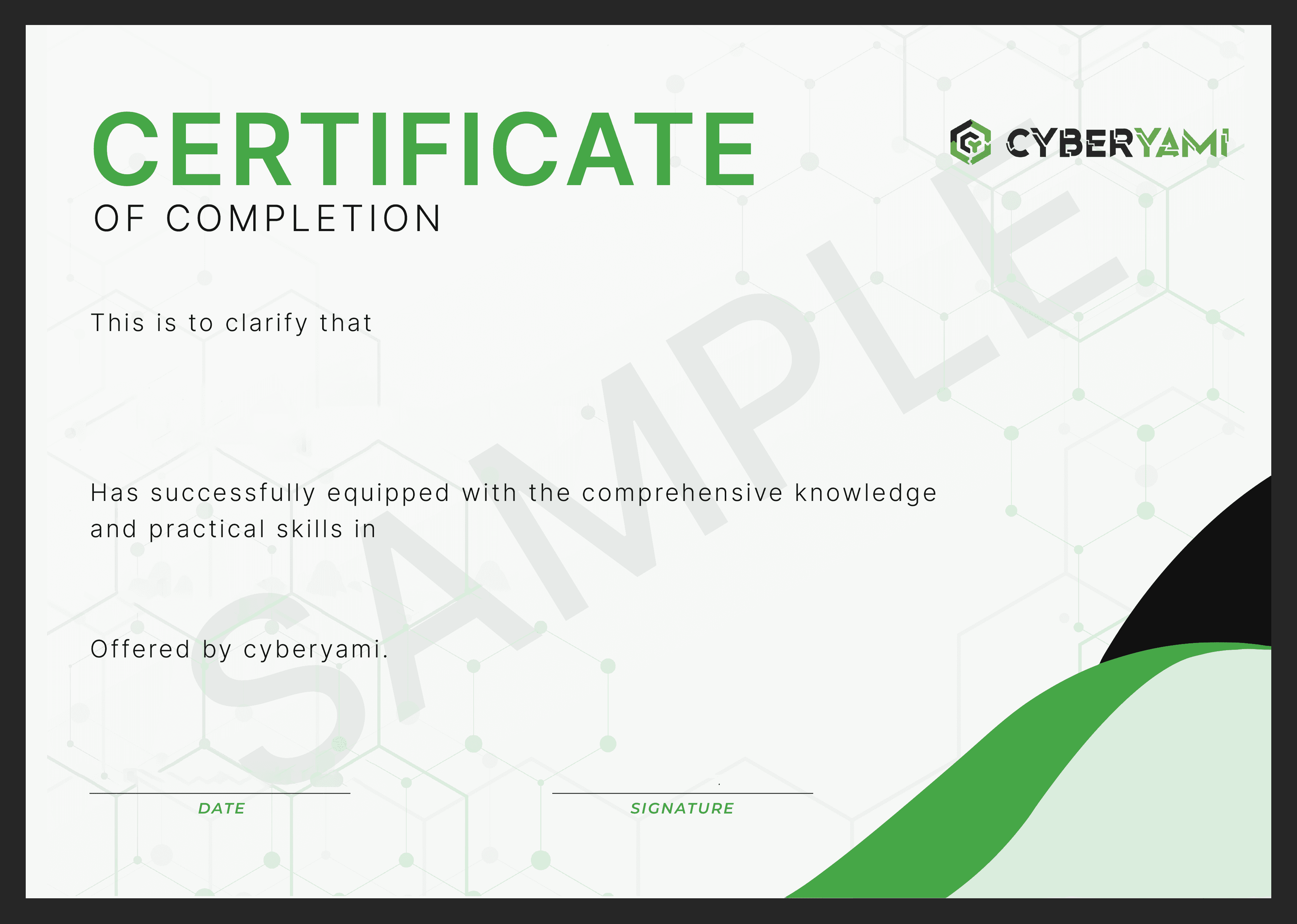
Secure your Completion Certificate
Attain your Completion Certificate and showcase your achievements on LinkedIn. Share your certificate with prospective employers and strengthen your professional network.
Related SkillUp Courses:
Start your 7 days free trial
Discover SkillUp courses for free with a 7-day trial. Access a variety of courses to enhance your skills and knowledge.