Digital Forensics Part-1 - QU
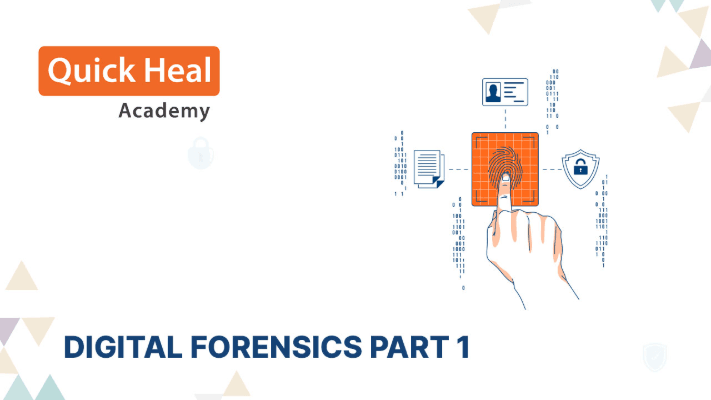
This Digital Forensics Fundamentals course provides learners with a comprehensive introduction to the principles, processes, and tools used in the field of computer forensics. It is designed to help participants understand how to identify, preserve, analyze, and present digital evidence from various storage media and systems. Through a blend of theory and hands-on labs, learners will explore real-world forensic practices, including evidence acquisition, filesystem analysis, and forensic tool usage. The course lays the groundwork for anyone aspiring to work in cybersecurity, law enforcement, or digital investigations.
This course helps participants develop a systematic understanding of how digital investigations are conducted — right from identifying suspicious activities to collecting, preserving, and analyzing evidence in a legally acceptable manner. It bridges the gap between cybersecurity defense and forensic investigation, enabling learners to respond to cyber incidents not only by containing them but also by understanding how and why they occurred.
The program starts with a refresher on foundational cybersecurity principles, ensuring all learners are on the same page before delving into specialized forensic topics. It then moves into the study of file systems (FAT, NTFS) — the backbone of how data is stored, accessed, and recovered. Learners will understand crucial concepts like allocated and unallocated space, slack space, volatile and non-volatile memory, and the differences between deleted, overwritten, and wiped files.
intermediate
7 Days Free Access
Course Overview
The course is divided into structured modules combining conceptual learning with practical implementation:
- Brush-Up Session (4 Hours)
- Revisiting essential cybersecurity concepts and frameworks from previous modules to establish continuity.
- Introduction to Cyber Crime (4 Hours)
- Understanding different types of cybercrimes, their motivations, methods, and the impact on individuals and organizations.
- Filesystem Analysis (6 Hours + Lab)
- Deep dive into file systems such as FAT and NTFS, exploring data storage mechanisms, deleted files, slack space, volatile and non-volatile memory, and file wiping.
- Introduction to Digital Forensics (4 Hours)
- Learning the basics of digital forensics, including the definition, scope, skills required, and Locard’s Exchange Principle — the foundation of forensic science.
- Digital Evidence Acquisition Essentials (8 Hours + Lab)
- Covers procedures for evidence collection and documentation — including Request for Forensic Services (RFS), Chain of Custody (COC), securing a crime scene, evidence hashing, imaging, and cloning techniques.
- Digital Forensics Analysis Process (Lab)
- Step-by-step understanding of how to examine digital evidence, analyze artifacts, and derive meaningful conclusions.
- Non-Live Forensics (10 Hours)
- Practical hands-on exposure to forensic tools such as WinHex, FTK Imager, Autopsy, and EnCase, focusing on static analysis of digital evidence.
Skills you will learn
Explain key concepts of cybercrime and digital forensics, including investigation principles and methodologies.
Analyze and interpret file system data from FAT and NTFS structures, identifying deleted and hidden information.
Perform digital evidence acquisition and preservation while maintaining legal admissibility through documentation and hashing.
Use forensic tools such as FTK Imager, Autopsy, and EnCase to analyze non-live evidence.
Document, report, and present findings following proper forensic investigation standards and procedures.
Course Structure
For whom is this Digital Forensics Part-1 - QU course intended?
- Cybersecurity Professionals
- Law Enforcement Officers
- IT Professionals & System Administrators
- Students & Beginners in Cybersecurity
- Incident Responders & SOC Analysts
What makes learning Digital Forensics Part-1 - QU a valuable pursuit?
- Understand the Science Behind Digital Evidence – Learn how data is stored, accessed, and recovered from digital media.
- Build Practical Forensic Skills – Gain hands-on experience using industry-standard tools like Autopsy, FTK Imager, and EnCase.
- Learn Legal and Ethical Aspects – Understand documentation, evidence handling, and the importance of maintaining integrity.
- Investigate Real-World Cyber Crimes – Get insights into the methods criminals use and how to trace their digital footprints.
- Strengthen Cyber Defense Posture – Develop the ability to analyze and respond to security incidents effectively.
- Master Filesystem Internals – Understand how data fragments, slack space, and deleted files can reveal hidden information.
- Prepare for Forensic Certifications – Build a strong foundation for advanced certifications like CHFI, GCFA, or EnCE.
- Enhance Incident Response Capabilities – Integrate forensic techniques into security monitoring and post-breach analysis.
- Bridge the Gap Between IT and Law Enforcement – Learn to present technical findings in legally admissible formats.
- Career Growth in Digital Security – Open up opportunities in cyber forensics, digital investigations, and cybersecurity analysis.
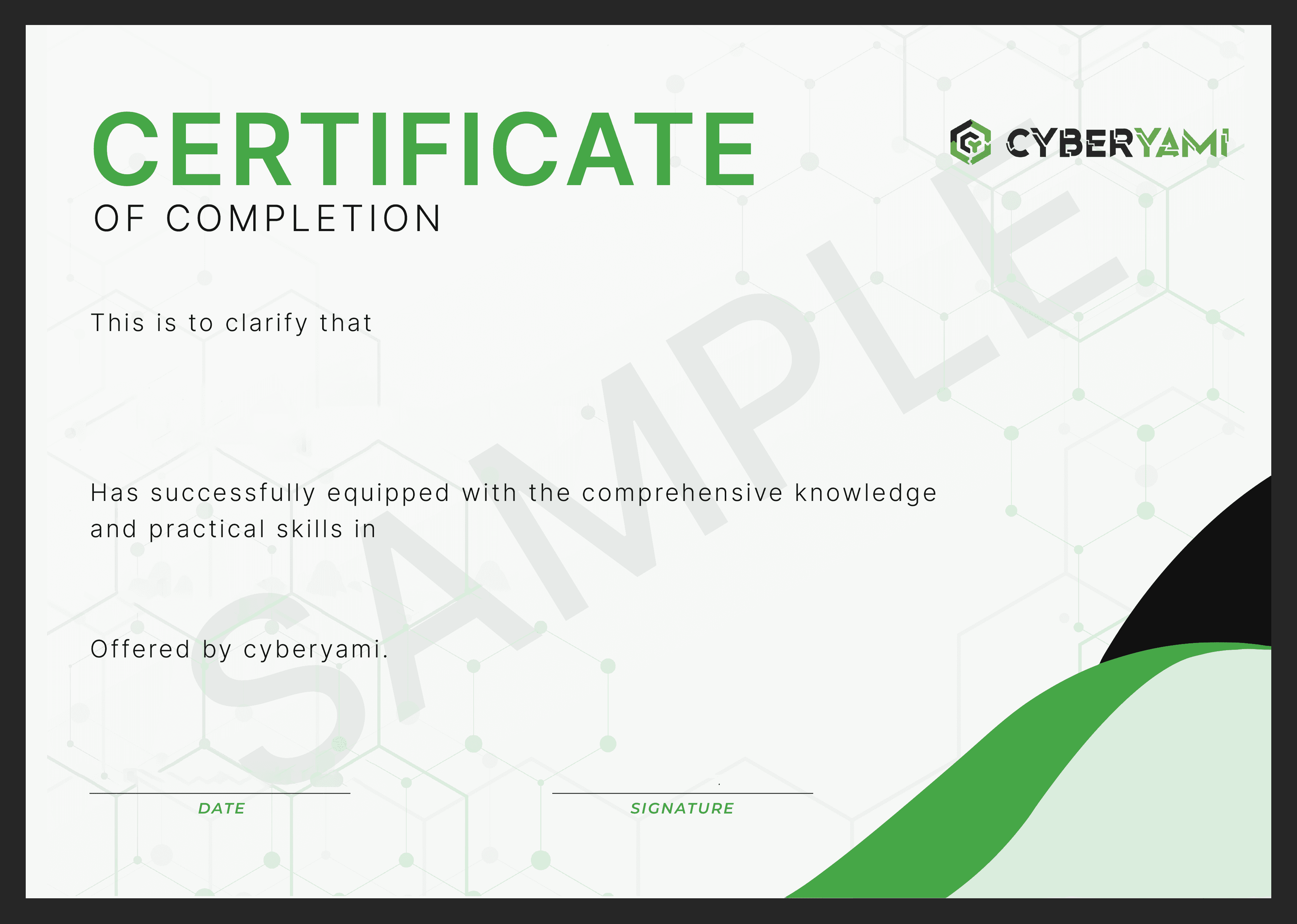
Secure your Completion Certificate
Attain your Completion Certificate and showcase your achievements on LinkedIn. Share your certificate with prospective employers and strengthen your professional network.
Related SkillUp Courses:
Start your 7 days free trial
Discover SkillUp courses for free with a 7-day trial. Access a variety of courses to enhance your skills and knowledge.