QU - Linux and Virtualization
This course is designed to introduce students to the concepts and practical applications of virtualization and Linux-based systems, particularly focusing on Kali Linux. Students will gain hands-on experience in installing and configuring virtual machines, connecting to them via SSH, setting up essential services like Apache, and performing essential system security measures. By the end of the course, learners will understand the principles of network security and how to secure virtualized infrastructures and user devices. The course is ideal for individuals interested in learning about virtualization technologies, Linux administration, and infrastructure security.
intermediate
7 Days Free Access
Course Overview
Virtualization and Linux Systems Security is a comprehensive course that covers the fundamental concepts of virtualization and Linux system administration with a special focus on Kali Linux, a penetration testing and security auditing Linux distribution. This course is structured to equip learners with the necessary skills to install, configure, and manage virtual machines, secure Linux systems, and understand the essentials of networking and cybersecurity.
The course starts by explaining virtualization technologies and the properties of virtual machines. You will learn how virtual machines operate, how they connect to the physical network, and how to manage them using platforms like VirtualBox or VMware. Following this, the course dives into the installation of Kali Linux, its configuration, and connecting to the system using tools like PuTTY and WinSCP.
Students will explore the basics of Linux commands, learn to manage key services (such as SSH and HTTP), and understand the best practices for securing both the operating system and the network environment. The course will also introduce essential concepts in network security and securing user devices.
Skills you will learn
1. Understand Virtualization Concepts: Demonstrate knowledge of virtualization technologies, including the working of virtual machines and their connection to physical networks. 2. Install and Configure Linux Systems: Successfully install Linux (including Kali Linux), configure virtual machines, and set up various network services. 3. Use Linux Command-Line Tools: Become proficient in basic Linux commands for managing systems, networking, and troubleshooting. 4. Set Up and Manage Services: Install, configure, and manage key services like SSH and Apache on Kali Linux, and understand their roles in system management and security. 5. Secure Linux Systems: Implement various security measures to protect virtualized systems, user devices, and networks. 6. Backup and Restore Virtual Machines: Understand and practice the process of backing up and restoring virtual machines to ensure the continuity and protection of the environment. 7. Learn Infrastructure Security: Gain foundational knowledge in infrastructure security, focusing on securing network traffic, devices, and the overall environment. 8. Secure User Devices: Understand and apply methods for securing user devices against network threats and vulnerabilities.
Course Structure
Secure your Completion Certificate
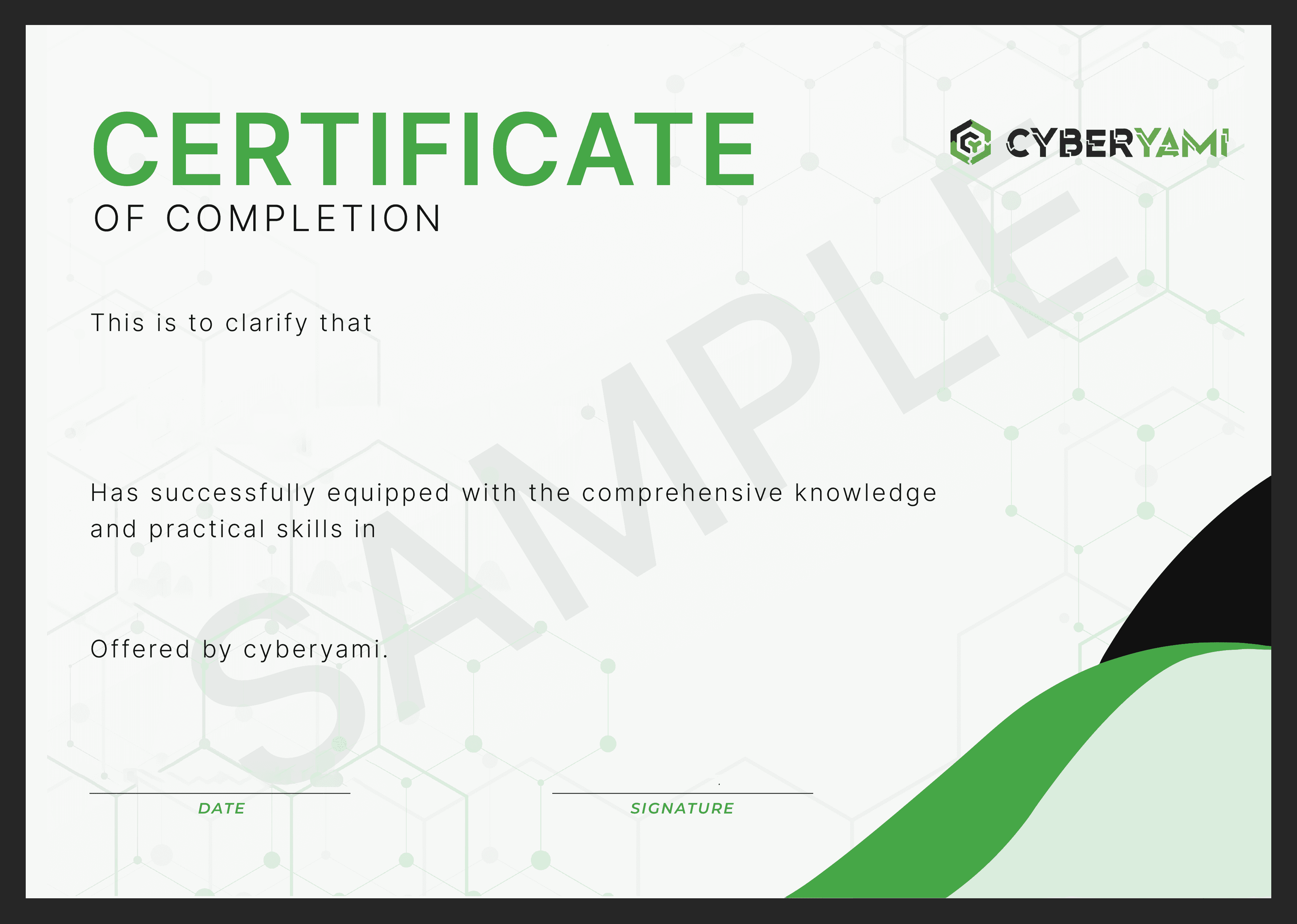
Attain your Completion Certificate and showcase your achievements on LinkedIn. Share your certificate with prospective employers and strengthen your professional network.
Related SkillUp Courses:
Start your 7 days free trial
Discover SkillUp courses for free with a 7-day trial. Access a variety of courses to enhance your skills and knowledge.