QU - MRRE-1
The MRRE-1 (Malware Reverse Engineering and Exploitation - Level 1) course provides a foundational understanding of reverse engineering, Windows internals, malware analysis, and x86 assembly language. This course is designed for students and cybersecurity professionals looking to gain practical skills in reverse engineering and threat analysis to identify vulnerabilities, analyze malicious software, and secure applications.
The course starts with an introduction to C/C++ from a reverse engineering perspective, focusing on data types, memory layout, and system interactions. Next, it dives deep into Windows Internals, covering process and thread management, memory management, file systems, registry operations, and network functions—essential knowledge for forensic analysis, exploit development, and system security.
Students will also set up a malware analysis lab and work with real-world malware samples, learning to identify Trojans, worms, backdoors, spyware, and keyloggers. The course also introduces static malware analysis techniques to detect malicious patterns in software. Additionally, students will explore Secure Software Development Life Cycle (SDLC) principles, ensuring secure coding practices.
beginner
7 Days Free Access
Course Overview
The MRRE-1 (Malware Reverse Engineering and Exploitation - Level 1) course is designed to equip students with core reverse engineering skills, focusing on C/C++ analysis, Windows internals, malware research, and x86 assembly language. With the growing number of cyber threats and sophisticated malware, security professionals must have a deep understanding of how software interacts with operating systems, how malware operates, and how to analyze and mitigate threats effectively.
This course begins by exploring C/C++ from a reverse engineering perspective, teaching students how data types, memory layout, and low-level programming influence software behavior. It then moves into Windows Internals, covering critical topics such as process management, memory allocation, file systems, Windows APIs, and registry operations—knowledge that is essential for forensic analysis, exploit development, and system security.
A significant portion of the course focuses on malware analysis, where students will learn how to set up a malware analysis lab, identify various malware types (Trojans, worms, backdoors, spyware, and keyloggers), and perform static analysis to detect malicious code. Secure coding practices are also covered through Secure Software Development Life Cycle (SDLC) principles, ensuring students understand how to prevent security vulnerabilities in software development.
This course is ideal for:
✔ Aspiring cybersecurity professionals, malware analysts, reverse engineers, penetration testers, and exploit developers.
✔ Those interested in digital forensics, threat intelligence, or vulnerability research.
✔ Students or professionals seeking hands-on experience in malware analysis, Windows internals, and reverse engineering techniques.
By the end of the course, participants will be skilled in dissecting malware, reverse engineering software, and understanding low-level system operations, preparing them for roles in cybersecurity research, malware analysis, penetration testing, and digital forensics.
Skills you will learn
Understand C/C++ from a Reverse Engineering Perspective
Gain In-Depth Knowledge of Windows Internals
Develop Practical Malware Analysis Skills
Master x86 Assembly Language for Reverse Engineering
Course Structure
For whom is this QU - MRRE-1 course intended?
- working professionals
- students
What makes learning QU - MRRE-1 a valuable pursuit?
Master Reverse Engineering Fundamentals
This course provides in-depth knowledge of C/C++ from a reverse engineering perspective, helping you understand how programs interact with memory, process execution, and system-level operations—critical skills for software security and vulnerability research.Gain Expertise in Windows Internals
Understanding Windows APIs, process/thread management, memory management, file systems, and the registry is essential for debugging, security analysis, and penetration testing. This knowledge is valuable for security professionals, malware analysts, and exploit developers.Develop Malware Analysis Skills
Learn how to analyze different types of malware, including Trojans, Worms, Backdoors, Viruses, Spyware, and Keyloggers. The course includes hands-on lab setup and static analysis techniques to detect and mitigate cybersecurity threats effectively.Enhance Low-Level System Analysis with x86 Assembly
Understanding x86 assembly language enables you to analyze binaries, deconstruct malicious code, and perform vulnerability research. This skill is crucial for cybersecurity professionals working in reverse engineering, malware analysis, and exploit development.Improve Software Security Through Secure SDLC
Secure Software Development Life Cycle (SDLC) practices ensure secure coding, vulnerability mitigation, and compliance with security standards, helping you build and analyze software with a security-first approach.Career Growth in Cybersecurity and Reverse Engineering
Whether you aim to be a malware analyst, penetration tester, forensic investigator, exploit developer, or cybersecurity researcher, this course equips you with hands-on skills in reverse engineering, malware analysis, and system security—making you a valuable asset in the cybersecurity industry.
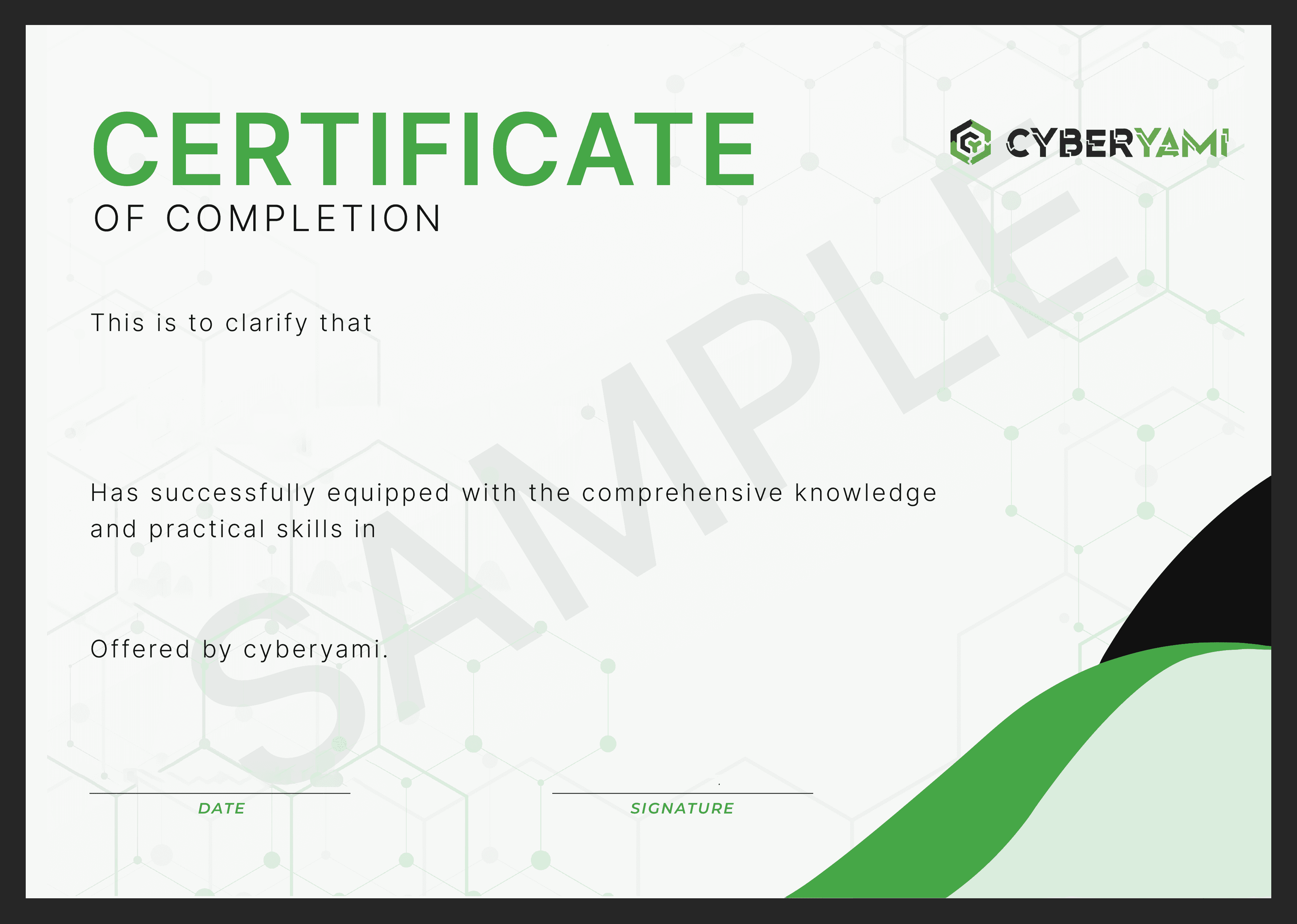
Secure your Completion Certificate
Attain your Completion Certificate and showcase your achievements on LinkedIn. Share your certificate with prospective employers and strengthen your professional network.
Related SkillUp Courses:
Start your 7 days free trial
Discover SkillUp courses for free with a 7-day trial. Access a variety of courses to enhance your skills and knowledge.