- cybersecurity for employees
Cybersecurity in the Workplace: Best Practices for Employers and Employees
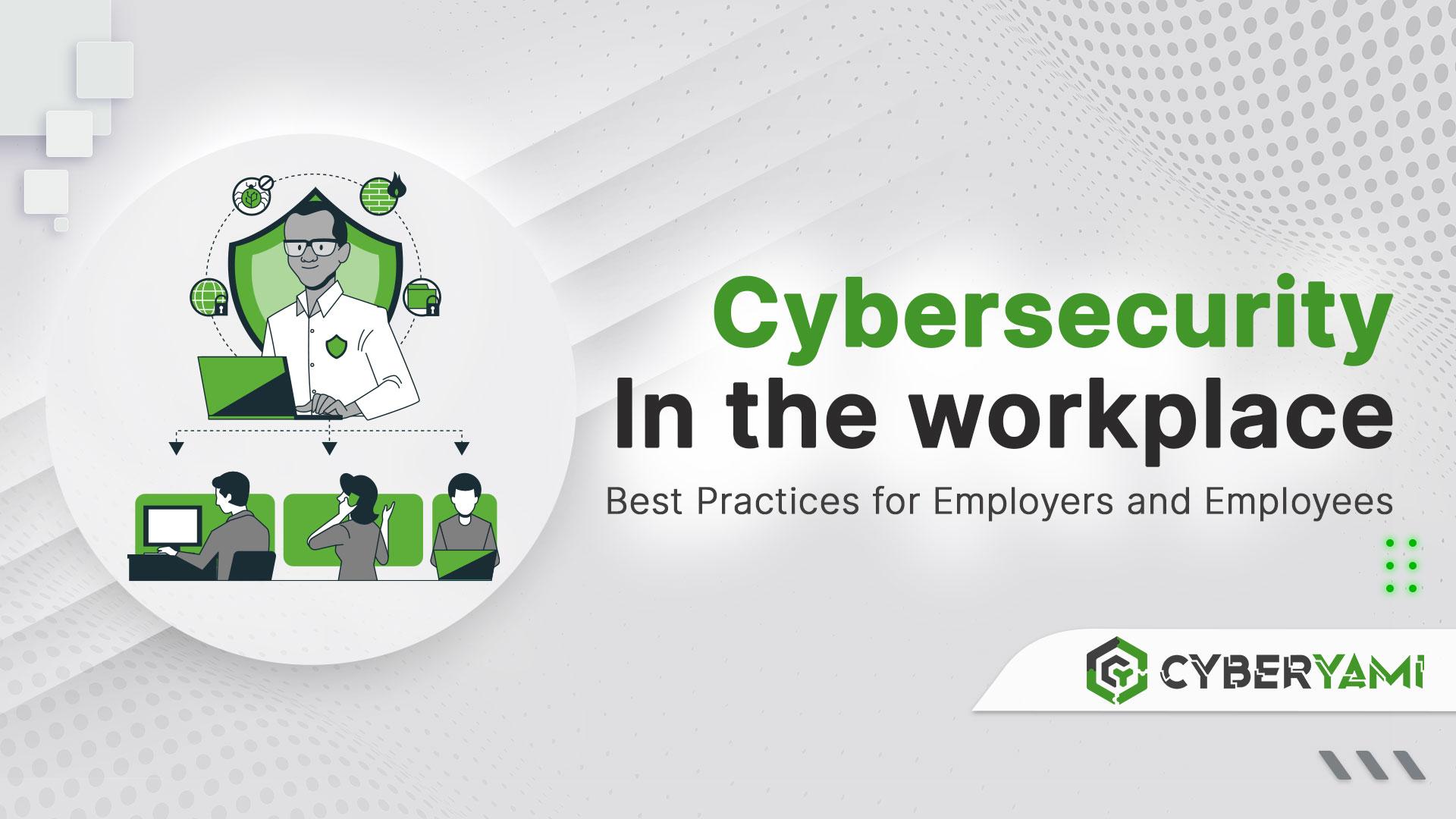
Businesses of all sizes are increasingly concerned about cybersecurity risks, and the workplace is still a particularly vulnerable entry point. Hybrid and remote work haven't gone away — they've become the default in many organizations — which means workplace cybersecurity is more distributed and harder to enforce than ever. Here's what best practice looks like on both sides of the employer-employee relationship in 2026.
Best Practices for Employers
- Develop a cybersecurity policy. Outline your approach to defending sensitive information, the measures you'll take to prevent attacks, and the procedures to follow in the event of a breach. Communicate it clearly and update it as threats evolve.
- Provide structured employee training — not a one-time video. Training should cover password hygiene, phishing recognition, and malware prevention, with ongoing simulation rather than an annual checkbox exercise. See Ways to Protect Your Business from Cyber Threats for the fuller picture and our breakdown of why ongoing training outperforms one-off sessions.
- Limit access to sensitive data. Not everyone needs it — restricting access by role reduces your exposure if any single account is compromised.
- Keep software up to date. Outdated systems are exploitable systems; enable automatic updates wherever possible.
- Back up important data, ideally off-site or in the cloud, and test recovery periodically.
- Use multi-factor authentication (MFA) everywhere it's supported — it remains one of the single highest-leverage controls against credential compromise.
- Monitor network traffic for unusual activity: unexpected data transfers, logins from unfamiliar locations, or after-hours access spikes.
- Set a clear policy on personal device use. Personal devices typically lack the security controls of company-managed hardware.
- Conduct routine security audits to catch gaps before an attacker does.
- Have an incident response plan — and make sure people know it exists before they need it. See our companion piece: What to Do When Your Business Faces a Cyber Attack.
Best Practices for Employees
- Use strong, unique passwords — long, complex, and never reused across accounts.
- Watch for phishing. Be wary of unsolicited emails or messages that request personal information or contain suspicious links or attachments.
- Use a VPN when working remotely, especially on unmanaged or public networks.
- Keep your own software updated — operating system, antivirus, and applications alike.
- Report anything suspicious immediately. Fast reporting is one of the biggest levers an organization has for containing an incident before it spreads — but only if the reporting process is fast and friction-free.
- Avoid public Wi-Fi for work tasks, particularly anything touching sensitive data.
- Encrypt sensitive emails where your organization's tools support it.
- Securely wipe old devices before disposal or handoff — deleted files aren't always actually gone.
- Be wary of social engineering — pretexting, baiting, and quid pro quo tactics rely on manipulating trust rather than breaking encryption.
- Stay informed. Threats evolve constantly; a habit of periodic refreshers matters more than a single strong training session years ago.
Both employers and employees have to hold up their end for workplace cybersecurity to actually work. The organizations that treat this as a shared, ongoing responsibility — not a one-time policy rollout — are consistently the ones that catch problems early, rather than after the damage is done.
Looking to move past ad hoc training toward a measurable program? See Cyberyami's Human Risk Management platform.
Related Reads
Recent Blogs
How Encryption Algorithms Actually Work (Without the Math Headache)
Why Employee Awareness Training Is Your Cheapest Insurance Policy
From People to Processes: How Integrated Cybersecurity Training Platforms Elevate Organizational Readiness
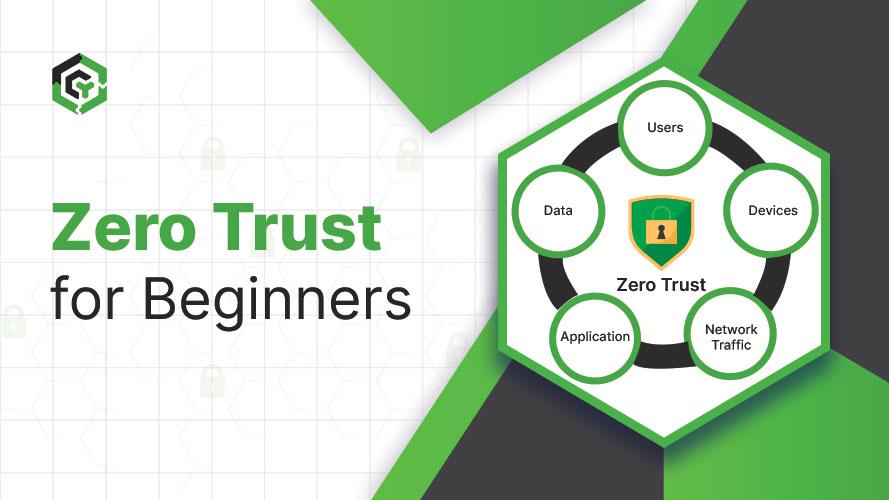
Zero Trust for Beginners: Why "Trust No One" is Your Best Defense
Supply Chain Attacks: Protecting Your Business Ecosystem
Top 30 SOC Analyst Interview Questions and Answers for 2025
The Role of Certifications in Bridging the Cybersecurity Skills Gap
Why Every Business Needs Tailored Cybersecurity Training

Unveiling Lucrative Paths: Exploring Cybersecurity Career Opportunities