- cybersecurity
From People to Processes: How Integrated Cybersecurity Training Platforms Elevate Organizational Readiness

From People to Processes: How Integrated Cybersecurity Training Platforms Elevate Organizational Readiness
Most organizations juggle multiple cybersecurity tools that barely connect. This scattered approach drains time and leaves gaps attackers exploit. An integrated cybersecurity training platform unites your security awareness training, hands-on cyber labs, phishing simulations, and incident response readiness under one roof. Keep reading to see how Cyberyami sharpens your team's skills, reduces human cyber risk, and speeds up organizational readiness—helping you defend with confidence and close your cyber skills gap. For more information on the impact of security awareness training, you can check out this resource.

Integrated Training Platforms
To combat the fragmentation of tools, integrated platforms offer a solution that brings everything together. Unified systems help streamline processes and improve security readiness across your organization.
Unified Security Enablement
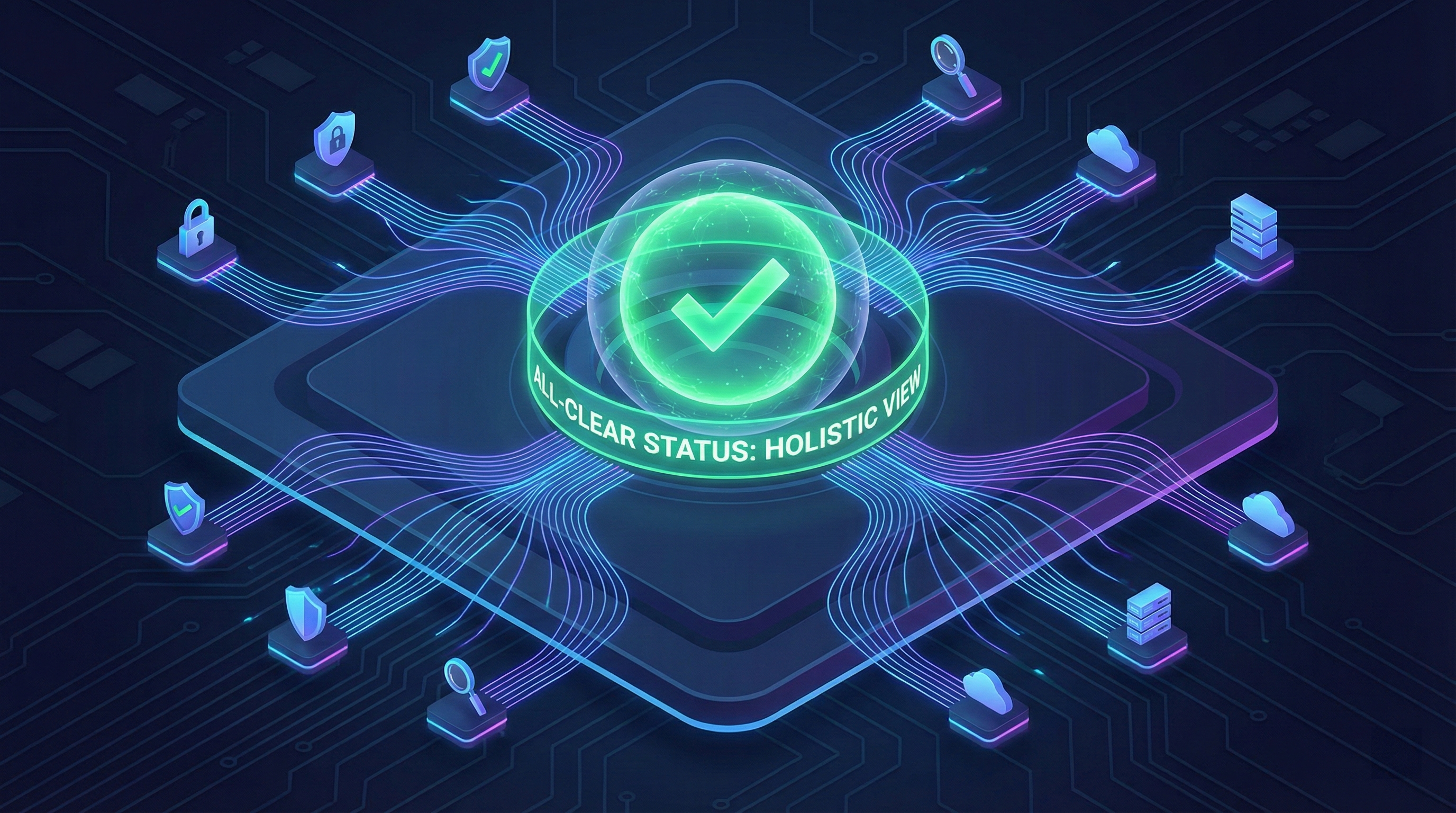
Imagine having all your security tools in one place. Unified security enablement makes this possible, allowing you to manage and execute security measures efficiently. With all tools connected, your team can focus on proactive defense. This reduces the likelihood of missed alerts or miscommunications that could leave your organization vulnerable. By consolidating your security tools, you gain a holistic view of potential threats, making it easier to implement comprehensive defenses. This integration supports faster decision-making and more effective incident management.
Role-Based Learning Paths
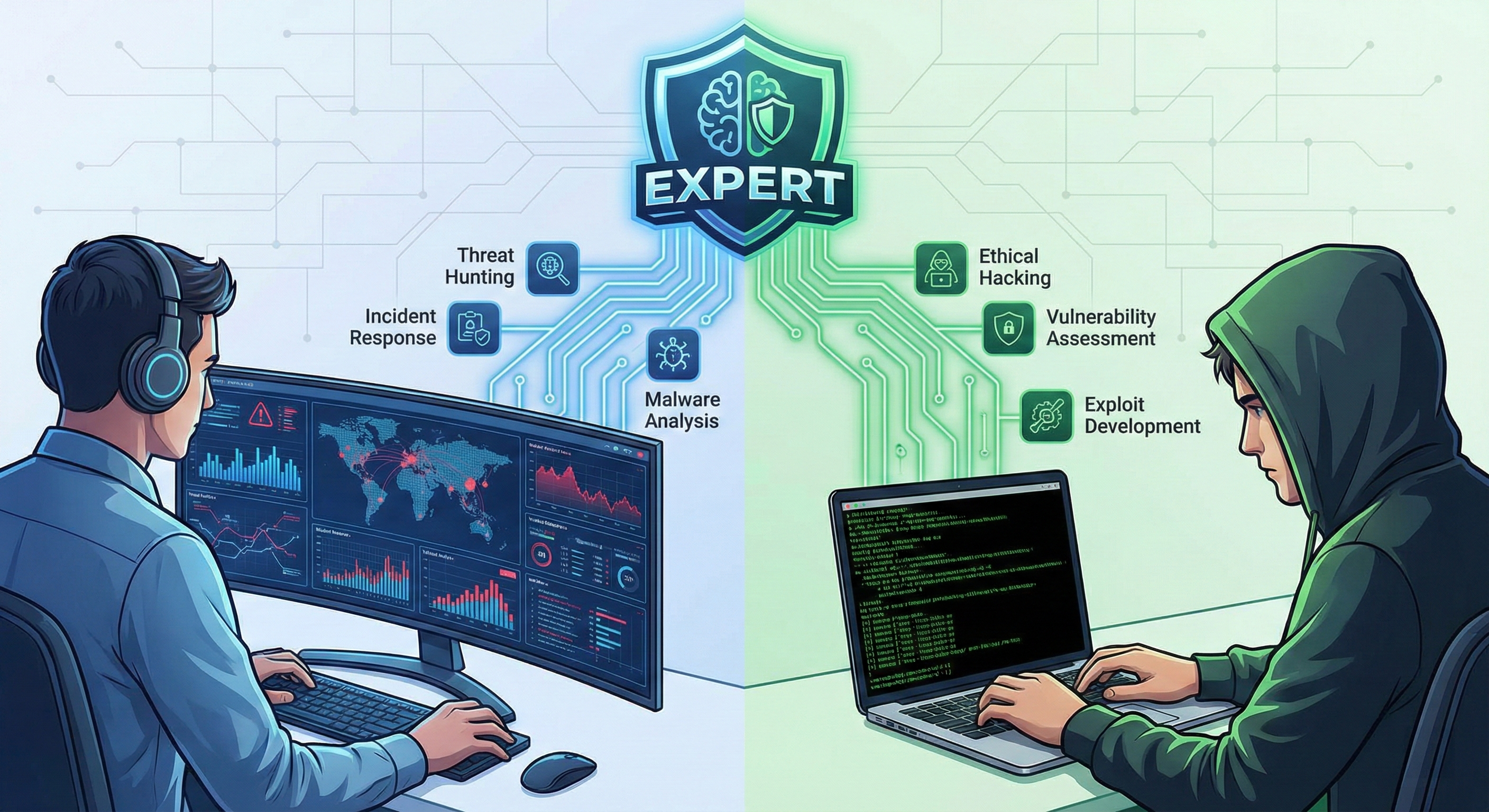
Training customized to specific roles ensures that each team member masters the skills they need. Role-based learning paths provide targeted education, enhancing proficiency across various security functions. Whether your team members are SOC analysts or penetration testers, role-based paths tailor learning experiences to their unique responsibilities. This focus helps them become experts in their fields, improving overall team performance. As team members grow more skilled, they contribute to a stronger defense posture, reducing the chances of breaches. Tailored education not only increases individual competence but also strengthens the entire organization's defense capabilities.
Continuous Security Learning
The cyber landscape changes rapidly, and your training must keep pace. Continuous security learning ensures your team stays updated on the latest threats and defenses. Regular updates and new modules keep your team informed and ready. This approach minimizes gaps in knowledge and helps your organization stay ahead of attackers. By constantly refreshing their skills, your team can adapt to new challenges, ensuring robust security practices. Continuous learning fosters a culture of vigilance and preparedness, essential for maintaining a strong security posture in an ever-changing environment.
Reducing Human Cyber Risk
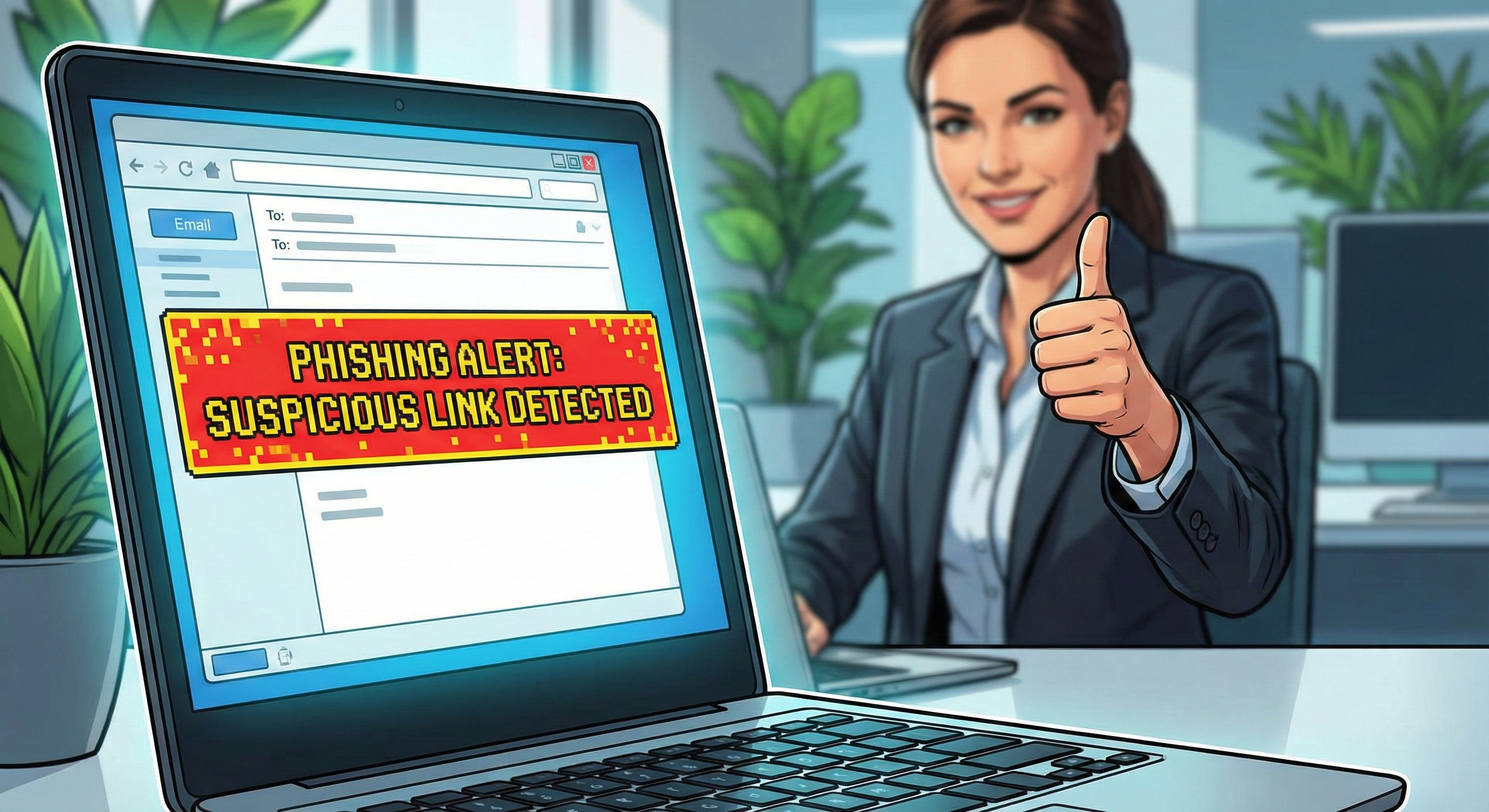
People are often considered the weakest link in cybersecurity. By managing human risk effectively, you can turn this potential vulnerability into a strength.
Human Risk Management
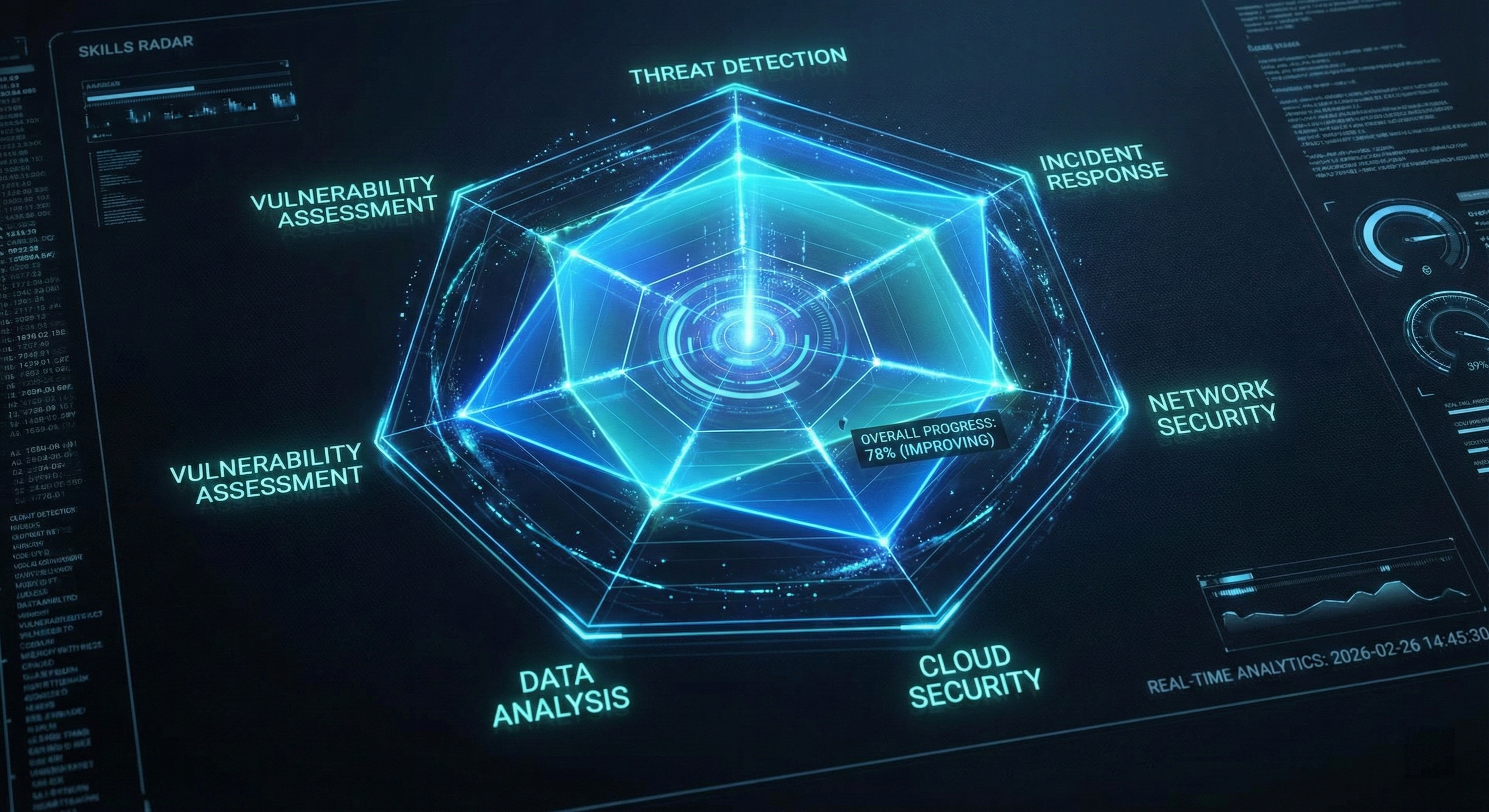
Effective human risk management involves understanding and mitigating the risks posed by your workforce. By identifying potential vulnerabilities in behavior, you can implement strategies to address them. Regular training and assessments help reinforce secure practices. This proactive approach reduces the chance that human error will lead to a security breach. By fostering a security-conscious culture, your organization can transform its workforce into its strongest line of defense. The key is to ensure continuous education and reinforcement of secure behaviors.
Phishing Simulations
Phishing remains a prevalent threat, but phishing simulations can help prepare your team. These simulations mimic real-world attacks, providing hands-on experience in identifying and responding to phishing attempts. Regularly conducting these simulations allows your team to practice and improve their awareness. As they become more adept, the risk of successful phishing attacks decreases. This hands-on approach not only builds confidence but also enhances your overall security posture. Simulations are a powerful tool for reducing human risk and improving organizational resilience.
Cyber Skills Assessments
Assessing your team's skills is crucial for identifying gaps and areas for improvement. Cyber skills assessments provide valuable insights into your workforce's capabilities. By evaluating skills regularly, you can tailor training to address weaknesses and build on strengths. This targeted approach ensures that your team is always equipped to handle emerging threats. As skills improve, so does your organization's ability to defend against cyber attacks. Regular assessments create a cycle of continuous improvement and readiness, essential for maintaining a strong security posture.
Accelerating Readiness
To be truly prepared, organizations need to focus on speeding up their response times and enhancing their skills. This section explores how to achieve that.
Incident Response Readiness
Being prepared for incidents is crucial. Incident response readiness ensures that your team can react quickly and effectively to any threat. By having clear protocols and regular drills, your organization can minimize damage and recover swiftly. Quick response times are vital for reducing the impact of attacks. With thorough preparation, your team can handle incidents confidently and efficiently, minimizing downtime and loss. Continuous improvement and practice are key components of effective incident response strategies.
Hands-On Cyber Labs
Practical experience is invaluable, and hands-on cyber labs provide just that. These labs offer real-world scenarios where your team can apply their skills and learn through experience. Engaging in these exercises builds confidence and proficiency, preparing your team for real-world challenges. As they practice, they become more adept at identifying and countering threats. This practical approach helps bridge the gap between theory and practice, enhancing overall security readiness. Hands-on labs are a crucial part of any comprehensive cybersecurity training program.

Cybersecurity LMS
A Cybersecurity LMS (Learning Management System) streamlines training delivery and management. By organizing all training materials in one platform, you can easily track progress and ensure consistent learning. This centralized system allows for seamless updates and quick access to resources, supporting continuous learning. Your team can access training anytime, anywhere, making it easier to fit education into their schedules. An LMS supports scalable training solutions, crucial for organizations of all sizes. By efficiently managing learning, you can ensure your team remains informed and prepared.
By integrating these strategies and tools, your organization can enhance its cybersecurity readiness and resilience. Prioritizing continuous learning and skill development is key to maintaining a strong defense against ever-evolving threats.
Recent Blogs
From People to Processes: How Integrated Cybersecurity Training Platforms Elevate Organizational Readiness
Zero Trust for Beginners: Why "Trust No One" is Your Best Defense
Supply Chain Attacks: Protecting Your Business Ecosystem
Top 30 SOC Analyst Interview Questions and Answers for 2025
The Role of Certifications in Bridging the Cybersecurity Skills Gap
Why Every Business Needs Tailored Cybersecurity Training
Unveiling Lucrative Paths: Exploring Cybersecurity Career Opportunities
The Ultimate Guide to Testing Your Cybersecurity Competency Online with LevelUp
Quick Cybersecurity Training Programs: Learn Ethical Hacking & More in Hours