- why do we do coding
What is Secure Coding & Why it is Important?
In the fast-paced world of software development, the pursuit of efficient, feature-rich code often takes center stage — and security can get left behind. Secure coding is the practice of writing code in a way that mitigates risk and vulnerability from the start, rather than patching them in afterward.
Defining Secure Coding
Secure coding means writing software in a way that minimizes security risks and vulnerabilities, following established guidelines so the resulting software resists common attack types. It's a discipline, not a one-time checklist:
- Using secure coding guidelines and checklists
- Avoiding known vulnerability patterns
- Testing software specifically for security vulnerabilities, not just functional bugs
- Educating developers about current security risks is not a one-time training, given how quickly the threat landscape shifts.
The Importance of Secure Coding
- Protecting User Data — safeguarding personal information and financial details from breaches with real legal and reputational consequences.
- Preventing Security Vulnerabilities — mitigating SQL injection, cross-site scripting (XSS), buffer overflows, and similar classes of flaws before they ship.
- Minimizing Security Patching Costs — fixing vulnerabilities in production is consistently more expensive and disruptive than catching them during development.
- Enhancing User Trust — secure, reliable software builds adoption; breaches erode it fast.
- Regulatory Compliance — frameworks like India's DPDP Act and global standards like GDPR increasingly hold organizations accountable for how securely they've built the systems that handle personal data — secure coding is now a compliance requirement in practice, not just good hygiene. (Chandra, 2026)
Software Development Best Practices
Secure coding sits inside a broader set of development practices:
- Secure Development Lifecycle (SDLC) — security should be integrated into every phase (planning, requirements, design, coding, testing, deployment, maintenance), not bolted on at the end. See our full breakdown of what SDLC involves and how each phase works.
- Thorough and Security-Specific Testing — automated tools plus manual review to catch what scanners miss.
- Ongoing Awareness and Training — developer security knowledge decays fast if it isn't refreshed regularly.
- Security Coding Standards — frameworks like the OWASP Top Ten give developers a concrete, prioritized starting point rather than an abstract goal. (OWASP Top 10 Web Application Security Risks, 2025)
Security Issues in Cloud Computing
As more organizations run on shared cloud infrastructure, secure coding becomes more — not less — important. Multi-tenant cloud environments mean a coding flaw doesn't just expose one organization's data; misconfigurations and insecure code can create paths across shared infrastructure that traditional on-premises setups never had to account for.
What secure coding buys you specifically in the cloud:
- Protecting user data from unauthorized access, disclosure, or modification
- Minimizing vulnerabilities that attackers could exploit across a larger, more distributed attack surface.
- Reducing security patching costs — secure code needs fewer emergency fixes.
- Enhancing user trust — visibly security-conscious organizations earn more of it.
Conclusion
Secure coding isn't optional — it's foundational to building software people and organizations can actually trust. By writing security in from the start, teams protect user data, cut vulnerability exposure, reduce patching costs, and build the kind of trust that compounds over time. As development continues to move faster and further into the cloud, secure coding stays one of the highest-leverage practices a development team can invest in.
Not a developer by background but need to understand secure coding fundamentals? See Secure Coding for Non-Programmers. For a deeper technical dive, read Common Coding Vulnerability: Essential Checks for Every Developer, or explore Cyberyami's Certified Secure Coding Expert (C|CSCE) certification.
Related Reads
- Secure Coding for Non-Programmers
- Common Coding Vulnerability: Essential Checks for Every Developer
- How Secure Coding Practices Help Mitigate Cybersecurity Threats
- What is SDLC? Phases, Importance & Models
References
Chandra, K. (2026). DPDP Act 2023: India's Digital Personal Data Protection Law Explained. Matters.AI. https://www.matters.ai/compliance/dpdp/dpdp-act-2023
(2025). OWASP Top 10 Web Application Security Risks. OWASP Foundation. https://owasp.org/Top10/2025/0x00_2025-Introduction/
Recent Blogs
How Encryption Algorithms Actually Work (Without the Math Headache)
Why Employee Awareness Training Is Your Cheapest Insurance Policy

From People to Processes: How Integrated Cybersecurity Training Platforms Elevate Organizational Readiness
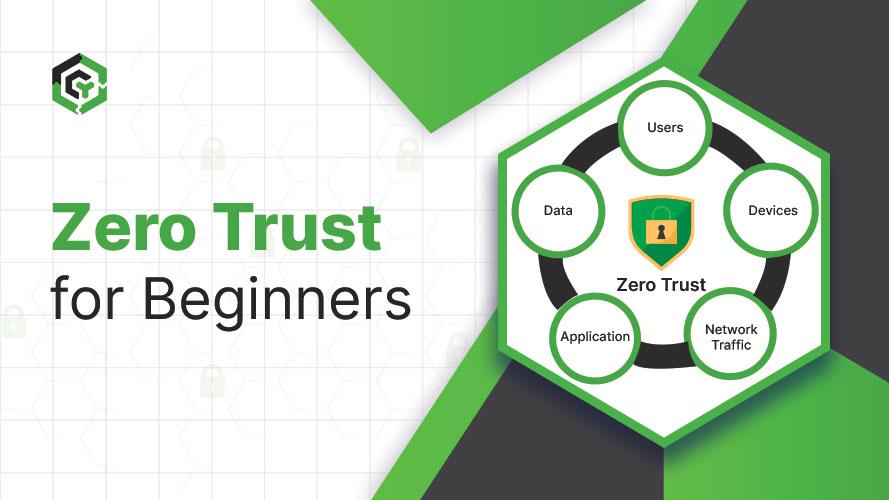
Zero Trust for Beginners: Why "Trust No One" is Your Best Defense

Supply Chain Attacks: Protecting Your Business Ecosystem

Top 30 SOC Analyst Interview Questions and Answers for 2025
The Role of Certifications in Bridging the Cybersecurity Skills Gap

Why Every Business Needs Tailored Cybersecurity Training

Unveiling Lucrative Paths: Exploring Cybersecurity Career Opportunities